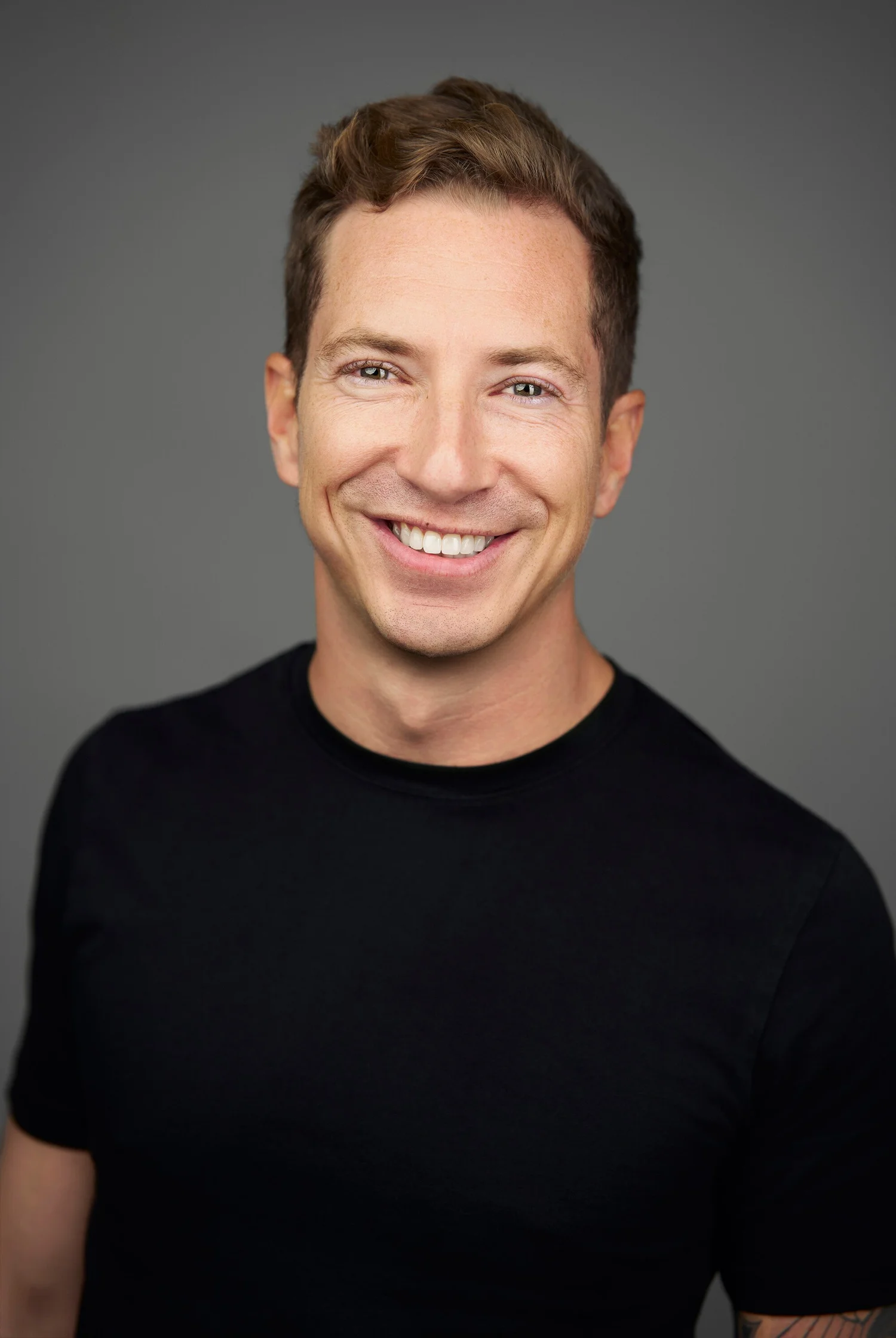
About Dr. Cox
Difference has defined my life for as long as I can remember.
I grew up in Grand Isle, Louisiana, a fishing community of fewer than a thousand people. I learned early, and was reminded often by family and by peers, that being different was a bad thing to be. Most of what I understand about shame I learned first as its subject: how it gets installed by other people, and then carried as though it were your own.
What changed it was somebody taking a different view. My mother remarried a Cuban immigrant who treated me as a person worth taking seriously and opened a path to education. From there I began to find value in the difference itself, came to accept my identity as a gay man, and started undoing years of having internalized what other people had put on me.
That question — what difference does to a person, and what helps — is what I have been studying ever since. I followed it through language, literature and psychology at university, through volunteering with Spanish-speaking immigrant communities, and into five years in New Orleans elementary school classrooms as an act of service to the city after Katrina. The classroom did not send me to psychology so much as confirm where I was already going: I could see what my students were carrying, and I wanted the training to meet it.
Fifteen years on, I have worked in hospitals, in schools, in a program for survivors of torture, in a VA PTSD clinic, and in private practice. My work is guided by service, curiosity, and transparency, and it has stayed relational and cultural throughout. I see each client as an individual contextualized within a society that ascribes and assigns difference.
The approach
What we build between us is the instrument. A room warm enough to be vulnerable in is what makes the rest of the work possible.
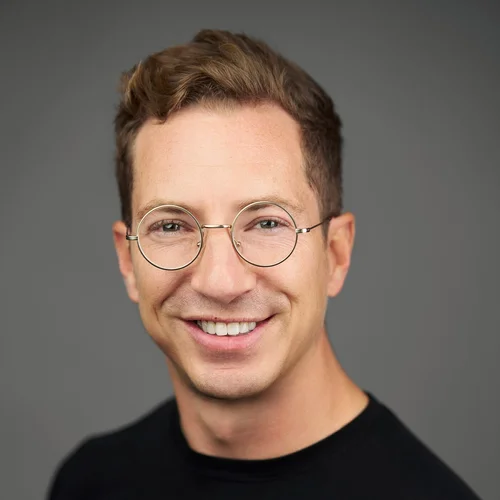 Robert A. Cox, Jr., PhD
I work to create a warm and validating environment — one that engenders vulnerability, invites exploration of the unconscious fears and fantasies that drive behavior, and helps a person reconnect with their agency to actualize the life they hope for. My approach is primarily relational and cultural. I consider the individual within a social context and within their identities, and I harness the therapeutic relationship itself in the service of growth and change. What goes on between us in the room is not a detour from the work — a good deal of the work is exactly there.
Much of what people carry is shame that was installed by someone else — a family, a school, a culture, a country — and then carried as though it were a private failing. Curiosity is what loosens it. When you can look at your own motivations without bracing for judgment, they stop running things from underneath. It also means I take seriously that you exist inside a family, a culture, a body, a workplace, and a country: when distress is coming from discrimination, poverty, or structural adversity, we locate it there, rather than in you and your justified feelings.
Cultural considerations and the quality of the relationship provide the conditions necessary for change; cognitive behavioral interventions are often the mechanism of change. Multicultural theory, relational dynamic approaches and cognitive behavioral methods are not mutually exclusive, and each fosters something the others cannot. I am trained in cognitive-behavioral, dialectical-behavioral and trauma-focused methods and use them when they are the right tool, and I will tell you what I am doing and why. People do better when they understand the reasoning than when they simply receive the technique.
Credentials
Fifteen years at the intersection of psychology and education.
Education
- 2025
- MSClinical PsychopharmacologyFairleigh Dickinson University · The post-doctoral degree required for licensure as a Medical Psychologist in Louisiana, which I am pursuing. Psychologists do not prescribe in New York.
- 2020
- PhDCounseling PsychologyTeachers College, Columbia University · APA-accredited. Bilingual Latinx Mental Health concentration. Dissertation on the unique and collective impact of interpersonal and structural stigma.
- 2019
- MPhilCounseling PsychologyTeachers College, Columbia University
- 2014
- MAClinical PsychologyTeachers College, Columbia University · Concentrations in Women, Gender and Sexuality; Serving Underrepresented Populations.
- 2007
- BASpanish LanguageUniversity of North Carolina Wilmington · Focus in Hispanic linguistics. summa cum laude. First-generation college graduate.
- 2007
- BAEnglish LiteratureUniversity of North Carolina Wilmington · cum laude, with Honors.
Clinical training
- 2020 – present
- Dwellness In-Home Psychological ServicesPostdoctoral training, then Supervising PsychologistCompleted postdoctoral hours toward licensure and continued on staff. In-home and virtual therapy for children, adolescents and adults with complex learning profiles.
- 2019 – 2020
- Montefiore Medical Center / Albert Einstein College of MedicineAPA-accredited predoctoral internship, combined trackPsychotherapy across the lifespan, DBT, mentalization-based parenting groups, trauma-focused CBT, and emotionally focused couples therapy.
- 2019
- PRIME Center for Health EquityResearch rotation · Harvard Medical School / EinsteinMental health disparities in Latinx communities using psychiatric electronic medical records.
- 2018 – 2019
- Manhattan VAExternship · PTSD trackCognitive processing therapy, CBT case formulation, psychodynamic therapy, and emotionally focused couples therapy.
- 2017 – 2018
- Bellevue / NYU Program for Survivors of TortureExternshipTrauma-informed intakes across more than twenty languages; psychological affidavits supporting asylum applications.
- 2016 – 2017
- Harlem Hospital CenterExternship · Department of PsychiatryIndividual therapy in English and Spanish, inpatient group work, and integrated neuropsychological assessment.
Teaching & supervision
- 2020 – present
- Training DirectorDwellness In-Home Psychological ServicesI direct the psychotherapy training program and provide individual and group supervision for mental health counselors, psychologists in training, and social workers.
- 2021 – 2022
- Assistant Teaching ProfessorUniversity of Southern Mississippi, School of PsychologyUndergraduate courses in General Psychology, Careers in Psychology and Multicultural Counseling, alongside two sections of Advanced Practicum supervising doctoral students in counseling psychology.
- 2014 – 2020
- Graduate Teaching AssociateTeachers College, Columbia UniversityMulticultural Counseling with Derald Wing Sue, LGBT(Q) Issues in Psychology, Group Counseling, Racial Cultural Counseling Lab, and Foundations of Counseling Skills.
- 2015 – 2017
- InstructorCenter for the Study of Race and Ethnicity, Columbia UniversityIntroduction to Comparative Ethnic Studies.
Research
- Primary focus
- Minority stress and structural stigmaThe mental health impact of discrimination, heterosexism, and structural adversity.
- Second line
- Executive functioning interventionPublished work on supporting learning and attention differences.
- Teaching
- Directs a psychotherapy training programSupervision across disciplines for trainees and early-career clinicians. Read the research →
Licensure
- New York
- Licensed Psychologist #024548Virtual sessions with anyone physically located in New York State. Verify on the NYSED register ↗
- Louisiana
- In progressPsychologist, then Medical PsychologistI am pursuing licensure in Louisiana and, in turn, licensure as a Medical Psychologist — a credential issued there by the State Board of Medical Examiners that carries prescriptive authority. Not yet accepting Louisiana clients.
- Languages
- English and SpanishTherapy, assessment, and written reports in either language.